


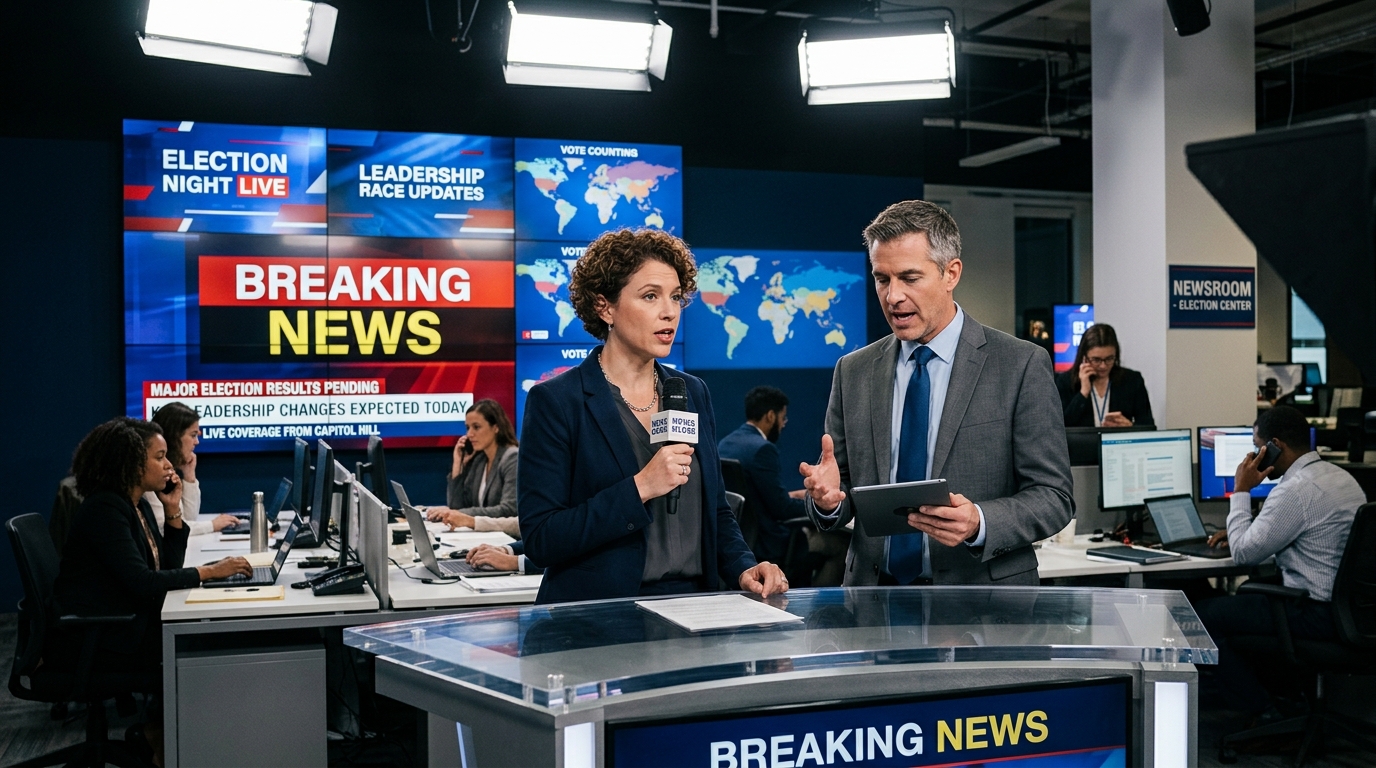
International politics today is moving at a fast pace, with governments announcing new policies, election campaigns gaining momentum, and leadership changes reshaping party dynamics across several countries. Digital media and global news networks are amplifying every update, making political developments more immediate, interconnected, and influential on public opinion worldwide.
Breaking Political Headlines Today
Global policy announcements
Governments across multiple regions are introducing new policy measures focused on economic stability, inflation control, and public welfare improvements. These announcements often come during times of political pressure, reflecting urgent responses to citizen demands and shifting global economic conditions affecting national decision-making systems today worldwide.
Election campaign intensification
Election campaigns are becoming more active as political parties organize rallies, digital outreach, and public meetings to strengthen voter engagement. Candidates are focusing on employment, healthcare, and security issues, while analysts track polling data closely to understand shifting voter preferences and potential election outcomes globally.
Diplomatic relations updates
International diplomatic relations are experiencing new developments as countries engage in trade discussions, security agreements, and conflict resolution talks. Leaders are balancing national interests with global cooperation, while diplomatic meetings aim to reduce tensions and improve long-term stability across different regions of the world today.
Government reforms and decisions
Governments are implementing reforms in taxation, infrastructure, and public services to address economic challenges and improve efficiency. These decisions are often shaped by public feedback and political pressure, aiming to strengthen governance systems and ensure sustainable development across national and regional levels worldwide.
Media political coverage trends
Media organizations are providing continuous coverage of political events using real-time reporting, expert analysis, and live updates. This constant flow of information influences public perception, increases political awareness, and shapes how citizens interpret government actions and election-related developments globally today.
Elections and Voting Developments
Digital voting systems expansion
Election authorities are adopting digital registration systems and biometric verification methods to improve transparency and reduce electoral fraud. These technologies enhance efficiency, strengthen voter trust, and make the voting process more accessible across urban and rural populations in modern democratic systems worldwide today.
Voter participation changes
Voter participation trends show increasing involvement from younger populations who are engaging through social media awareness campaigns and early voting systems. This shift reflects growing political awareness and changing civic behavior that is reshaping electoral outcomes in many countries around the world.
Campaign strategy innovations
Political campaigns are increasingly relying on data analytics, targeted advertising, and social media engagement to reach voters effectively. Parties are focusing on issue-based messaging such as economy, education, and security to build stronger connections with diverse voter groups in competitive elections globally today.
Election debate influence
Election debates are playing a crucial role in shaping public opinion as candidates present policies, challenge opponents, and respond to national issues. Media coverage of these debates amplifies key moments, influencing undecided voters and shaping electoral narratives across different regions worldwide today.
Results reporting advancements
Election results are now reported more quickly due to digital counting systems and real-time data platforms. News agencies provide live updates and projections while ensuring accuracy and transparency, allowing citizens to follow outcomes with greater confidence and clarity during election cycles globally.
Government Policy and Leadership Decisions
Economic stabilization policies
Governments are introducing economic policies aimed at controlling inflation, supporting employment, and stabilizing financial markets. These measures often include subsidies, tax reforms, and regulatory adjustments designed to improve national economic resilience and long-term growth prospects in global economies today.
Public welfare initiatives
Public welfare programs are expanding to improve healthcare, education, and social security systems. Governments are collaborating with experts to design inclusive policies that reduce inequality and ensure better access to essential services for citizens across both developed and developing nations worldwide.
Digital governance transformation
Digital governance systems are being implemented to improve administrative efficiency, transparency, and public service delivery. These systems reduce paperwork, enhance data security, and allow citizens to access government services more conveniently through online platforms in modern administrative structures globally today.
Environmental policy focus
Environmental policies are becoming more prominent as governments address climate change, renewable energy adoption, and carbon reduction targets. International cooperation and sustainable development strategies are being prioritized to protect natural resources and ensure environmental stability for future generations worldwide.
Transparency and accountability reforms
Governments are strengthening transparency through open data initiatives, public reporting systems, and independent audits. These reforms aim to reduce corruption, improve trust in institutions, and ensure that public resources are managed responsibly across political systems in many countries today globally.
Opposition Movements and Political Reactions
Opposition policy criticism
Opposition parties are actively criticizing government policies related to inflation, unemployment, and public spending. They organize rallies and public discussions to present alternative solutions and strengthen voter support ahead of upcoming elections across multiple democratic systems worldwide today.
Social media political activism
Social media platforms are becoming powerful tools for opposition movements, enabling rapid communication, mobilization, and awareness campaigns. These digital platforms help political groups connect with younger audiences and respond quickly to government decisions in real time across global political environments.
Electoral fairness concerns
Opposition leaders are raising concerns about electoral transparency, fairness, and institutional independence. They are calling for stronger oversight mechanisms and engaging with observers to ensure credible and trustworthy election processes in democratic countries around the world today.
Public protests and demonstrations
Public protests are increasing in several regions as citizens express dissatisfaction with economic conditions and government decisions. These demonstrations highlight issues such as inequality and governance accountability while drawing significant media attention and influencing political discourse globally today.
Media role in opposition coverage
Media outlets are closely covering opposition activities, providing analysis, live reporting, and commentary. This coverage shapes public opinion by highlighting political disagreements and ensuring that multiple perspectives are presented in ongoing national and international political debates.
International Relations and Global Politics
Global diplomatic engagements
Countries are actively engaging in diplomatic talks to strengthen trade relations, security cooperation, and regional stability. These discussions aim to reduce tensions and build stronger international partnerships that support economic and political collaboration across global regions today.
International summit meetings
World leaders are participating in international summits focusing on climate change, economic recovery, and security challenges. These meetings help coordinate global strategies and promote cooperation on shared issues affecting multiple countries in the modern geopolitical landscape.
Conflict resolution efforts
Diplomatic efforts are ongoing to resolve international conflicts through negotiations, peace talks, and humanitarian initiatives. Global organizations are working alongside governments to reduce tensions and promote long-term stability in affected regions across the world today.
Foreign policy strategies
Foreign policy decisions are shaping international trade agreements, defense cooperation, and diplomatic relationships. Governments are balancing national interests with global responsibilities while adapting strategies to address changing geopolitical dynamics and economic challenges worldwide today.
Global media political reporting
International media continues to provide detailed coverage of political developments across countries. This reporting includes analysis of elections, leadership decisions, and policy changes, helping global audiences understand interconnected political systems and international affairs more clearly today.
Leadership Changes and Party Politics
Leadership transitions in governments
Political leadership transitions are reshaping governance structures as new leaders take charge and experienced figures step down. These changes often influence policy direction, party unity, and public confidence in political systems across different regions worldwide today.
Party internal competition
Political parties are experiencing internal competition as different factions compete for influence and leadership positions. These dynamics affect decision-making processes, election strategies, and overall party stability in highly competitive political environments across many countries today.
Succession planning in politics
Succession planning is becoming a key focus for political organizations to ensure smooth leadership transitions. Parties are developing training programs and mentorship structures to prepare future leaders while maintaining continuity in governance systems worldwide.
Coalition government formation
Coalition governments are being formed in several regions where no single party achieves majority control. These alliances require negotiation and compromise to maintain stability while implementing shared policy agendas across diverse political groups globally today.
Party reform initiatives
Political parties are introducing reforms to improve transparency, internal democracy, and accountability. These changes aim to strengthen organizational efficiency and rebuild public trust in political institutions across modern democratic systems worldwide today.
Public Opinion and Media Influence
Public sentiment analysis
Public sentiment is increasingly measured through surveys, polls, and digital engagement data. Governments and political parties use this information to understand voter concerns and adjust policies accordingly in rapidly changing political environments globally today.
Social media influence in politics
Social media platforms are shaping political narratives by spreading information quickly and enabling public debate. These platforms influence voter opinions, campaign strategies, and political communication across digital ecosystems worldwide today.
Opinion polling trends
Opinion polls are widely used to track voter preferences and predict election outcomes. Analysts study these trends to identify shifts in political support and emerging issues affecting public perception in democratic societies globally today.
Media reporting standards
Media organizations are focusing on accuracy, fact-checking, and balanced reporting to maintain credibility. Ethical journalism practices are increasingly important in ensuring trustworthy political coverage across traditional and digital platforms worldwide today.
Political communication strategies
Political leaders are using advanced communication strategies, including digital outreach and targeted messaging, to connect with voters. These approaches help shape public perception and strengthen engagement in competitive political environments globally today.
What are the latest political developments today
Political developments include election campaigns, government reforms, leadership changes, and international diplomatic activities shaping global governance.
How do elections influence government policies
Elections determine leadership direction and policy priorities based on voter choices and party manifestos.
Why is media coverage important in politics
Media ensures transparency, informs citizens, and shapes public understanding of political events.
How does social media affect politics today
Social media spreads political information quickly and influences public opinion and voter behavior.
What role do opposition parties play in democracy
Opposition parties provide alternative policies, hold governments accountable, and represent diverse public views.
Conclusion
Political developments today reflect a rapidly changing global landscape driven by elections, leadership transitions, and policy reforms. Media coverage and social platforms shape public opinion while international relations influence stability. Governments and opposition parties continue to compete and collaborate in shaping future direction. Overall, politics remains dynamic, interconnected, and deeply impactful on societies worldwide today.
