


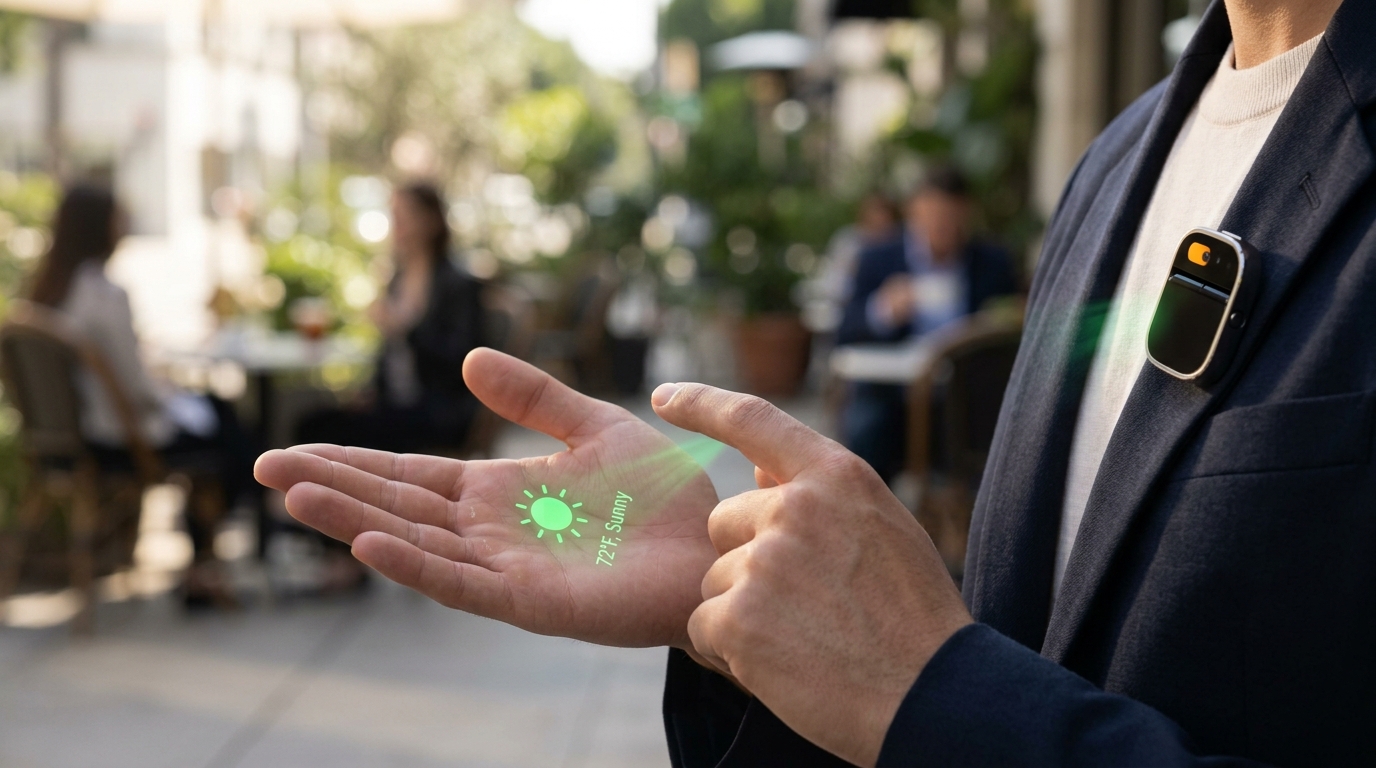
The global technology landscape is moving at a rapid pace, with breakthroughs in artificial intelligence, smart gadgets, and digital innovation reshaping how people live and work. From AI-powered assistants to next-generation wearables and advanced computing systems, 2026 is proving to be a landmark year for innovation across major tech companies worldwide, influencing industries and everyday consumer experiences.
Artificial Intelligence Breakthroughs
Agentic AI systems expanding capabilities
Agentic AI systems are becoming more advanced, allowing machines to perform complex tasks autonomously. These systems can plan, reason, and execute multi-step actions, transforming productivity tools, customer service, and enterprise automation across industries with improved efficiency and reduced human workload in digital environments globally.
Meta AI model advancements
Meta Platforms has introduced a new AI model called Muse Spark, designed to deliver faster performance and smarter interactions across its apps and smart devices. The model enhances experiences on social platforms, improves recommendation systems, and strengthens AI-driven communication tools for billions of users worldwide.
Google Gemini ecosystem expansion
Google continues expanding its Gemini AI ecosystem with advanced search capabilities, personalized assistants, and autonomous information agents. These updates allow users to interact with search in a conversational way, automate tasks, and receive contextual recommendations across apps, documents, and smart devices seamlessly integrated into daily workflows.
AI-powered productivity tools
New AI productivity tools are transforming workplaces by automating writing, scheduling, coding, and analysis tasks. Businesses are increasingly adopting AI assistants that function as digital coworkers, improving decision-making, reducing operational delays, and enhancing collaboration across global teams in hybrid and remote work environments.
Ethical and safety AI development
Tech companies are focusing heavily on AI safety, introducing guardrails, transparency systems, and bias reduction techniques. These improvements aim to ensure responsible deployment of AI technologies while addressing concerns about privacy, misinformation, and algorithmic fairness in increasingly autonomous digital ecosystems.
Smart Gadgets and Wearables
AI smart glasses innovation
AI-powered smart glasses are emerging as one of the most anticipated wearable technologies. These devices integrate cameras, microphones, and real-time AI assistance, allowing users to translate languages, receive navigation support, and interact with digital content hands-free in everyday environments.
Wear OS and smartwatch evolution
Wear OS has introduced major upgrades with deeper AI integration, offering real-time updates, personalized fitness tracking, and proactive assistance. Smartwatches are becoming more intelligent, extending battery life efficiency while delivering context-aware notifications and health monitoring features for users globally.
Smart home devices intelligence
Smart home ecosystems are becoming more adaptive with AI-driven automation. Devices such as smart speakers, lighting systems, and appliances now learn user behavior, optimize energy usage, and respond to voice commands with greater accuracy, making homes more efficient and connected.
Next-gen smartphones
New smartphones are increasingly powered by AI chips that enhance photography, performance, and battery optimization. Features such as real-time image processing, intelligent assistants, and predictive app usage are becoming standard, pushing mobile devices toward full AI integration.
AI-powered robotics gadgets
Robotics gadgets are gaining attention with AI-enabled home assistants, lawn mowers, and cleaning devices. These machines can identify objects, navigate complex environments, and perform tasks with minimal human intervention, making household automation more practical and accessible.
Innovations in Consumer Electronics
Advanced chip development
Tech companies are developing powerful AI-focused processors designed for local computing. These chips improve device performance while enabling offline AI processing, reducing dependence on cloud systems and improving speed, privacy, and energy efficiency in consumer electronics.
Smart TVs and displays
Modern televisions are now powered by AI processors that enhance picture quality, recommend content, and enable voice-controlled interfaces. These smart displays are becoming central entertainment hubs, integrating streaming, gaming, and smart home control features in one device.
AI-enabled audio devices
Wireless earbuds and speakers are evolving with AI features such as real-time translation, adaptive noise cancellation, and voice recognition. These improvements enhance user experience by offering more personalized and context-aware audio interactions.
Foldable and flexible devices
Foldable smartphones and flexible screens continue to gain popularity, offering larger displays in compact designs. These innovations combine portability with productivity, allowing users to multitask more efficiently on mobile devices.
Gaming technology advancements
Gaming devices are incorporating AI for enhanced graphics rendering, adaptive gameplay, and real-time performance optimization. This leads to more immersive gaming experiences with smoother visuals and smarter in-game interactions.
Enterprise Technology Trends
AI data platforms growth
Enterprises are adopting AI-powered data platforms to manage large-scale analytics and automation. These systems help organizations process complex datasets faster, improve decision-making, and build predictive models for business strategy optimization.
Cybersecurity advancements
Cybersecurity technologies are evolving with AI-based threat detection systems that identify and respond to attacks in real time. Companies are investing in advanced encryption and monitoring tools to protect sensitive data from increasingly sophisticated cyber threats.
Cloud computing expansion
Cloud infrastructure continues to expand as businesses migrate workloads to scalable platforms. Hybrid and multi-cloud systems are becoming standard, offering flexibility, cost efficiency, and improved collaboration for global organizations.
Digital workplace transformation
Workplaces are becoming more digital with integrated collaboration tools, AI assistants, and remote connectivity solutions. These systems enhance productivity and allow seamless communication between distributed teams across different regions.
Edge computing adoption
Edge computing is growing rapidly, enabling data processing closer to devices instead of centralized servers. This reduces latency, improves real-time decision-making, and supports applications like autonomous systems and smart city infrastructure.
Space and Robotics Innovations
Private space exploration growth
Private companies are accelerating space exploration with reusable rockets, satellite networks, and lunar missions. These advancements are reducing launch costs and expanding access to space-based research and communication technologies.
AI in robotics development
Robotics development is increasingly powered by AI systems that enable machines to learn, adapt, and perform complex physical tasks. These robots are being used in manufacturing, healthcare, and logistics industries.
Humanoid robot advancements
Humanoid robots are becoming more sophisticated, with improved mobility, speech interaction, and environmental awareness. They are being designed for industrial work, customer service, and research applications.
Space-based AI systems
AI systems are being deployed in space missions to assist with navigation, data analysis, and autonomous decision-making. These technologies help spacecraft operate more efficiently in remote environments.
Satellite communication upgrades
Next-generation satellite networks are improving global internet coverage, enabling faster and more reliable connectivity in remote regions. These systems support communication, navigation, and Earth observation services.
Digital Economy and Market Trends
AI-driven commerce systems
AI is transforming e-commerce by enabling personalized shopping experiences, automated recommendations, and intelligent pricing systems. Consumers are increasingly interacting with AI assistants during online purchases.
Cryptocurrency market shifts
Digital currencies continue to experience volatility as regulations evolve and institutional adoption grows. Blockchain technologies are expanding beyond finance into supply chains and digital identity systems.
Tech investment growth
Investments in AI startups, semiconductor companies, and robotics firms are increasing globally. Venture capital funding is focusing on scalable technologies with long-term industrial impact.
Gig economy expansion
Digital platforms are supporting a growing gig economy where freelancers use AI tools to enhance productivity and manage global clients more efficiently.
Global digital trade
International digital trade is expanding with cross-border e-commerce, cloud services, and software exports driving economic growth across developed and emerging markets.
Future Tech Outlook
Human AI collaboration
The future of technology is focused on collaboration between humans and AI systems. These partnerships aim to enhance creativity, decision-making, and productivity across industries.
Sustainable technology solutions
Tech companies are investing in energy-efficient computing, renewable-powered data centers, and eco-friendly device manufacturing to reduce environmental impact.
Autonomous systems expansion
Autonomous technologies such as self-driving vehicles and smart logistics systems are becoming more reliable, improving transportation efficiency and safety.
Personalized digital ecosystems
Users are moving toward fully personalized digital environments where AI adapts devices, services, and content based on individual preferences and behavior.
Next wave of innovation
The next wave of innovation is expected to combine AI, robotics, and quantum computing, creating transformative technologies that redefine industries and daily life.
What are the latest AI trends in tech news?
AI trends include agentic systems, smarter assistants, autonomous tools, and deeper integration into everyday devices and enterprise platforms.
Which gadgets are trending in 2026?
Smart glasses, AI-powered smartphones, wearable devices, and intelligent home gadgets are among the most trending technologies.
How is AI changing smartphones?
AI enhances cameras, battery life, performance, and personalization features, making smartphones more intelligent and predictive.
Are smart glasses becoming popular?
Yes, smart glasses are gaining popularity due to real-time translation, navigation, and hands-free AI interaction features.
What is the future of AI technology?
The future of AI focuses on autonomy, personalization, and collaboration with humans across all digital and physical systems.
Conclusion
Latest tech news shows AI, gadgets, and innovation driving a new era of intelligent devices and systems. From smart wearables to autonomous platforms, technology is becoming more personal, powerful, and connected. These advancements are reshaping industries, improving productivity, and redefining how humans interact with digital ecosystems worldwide, creating smarter and more efficient future experiences globally.
