


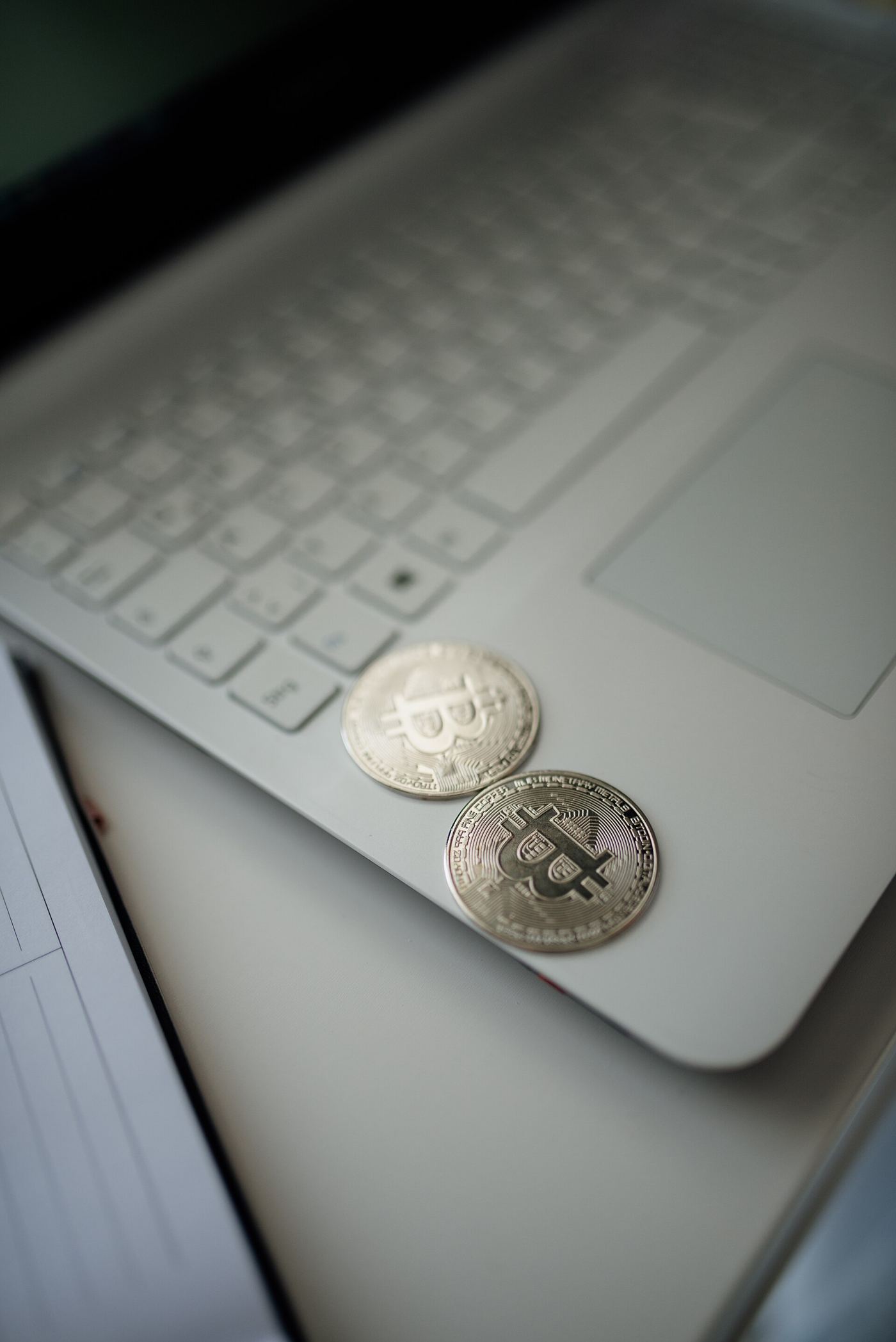
North Korean hackers stole more than 6 billion dollars of virtual assets from Binance, the largest cryptocurrency exchange in the world, on October 29 2026, in the biggest crypto theft ever recorded. The Federal Bureau of Investigation said on October 31 that the theft was carried out by a North Korean group it calls TraderTraitor, and it published wallet addresses linked to the stolen funds. Blockchain firm TRM Labs estimated that about 6.36 billion dollars was moved out of Binance wallets in about 20 minutes, more than four times the 1.5 billion dollars taken from Bybit in February 2025. Binance said it would absorb the loss from company funds and that it had replaced 90 percent of the stolen amount by buying new tokens.
What the Evidence Shows
Binance described the attack as a sophisticated multi stage campaign that began months earlier, when hackers compromised developers and trusted tools before reaching the exchange’s internal signing service. The exchange said it detected and blocked 57 suspected North Korean attempts during 2026 alone, but this one got through, and withdrawals were paused while the damage was assessed. The Justice Department later said that American government and private sector efforts had frozen or secured more than 2.7 billion dollars of the stolen money, with court authorisation to seize more than 1.2 billion dollars of it. The stolen assets are being converted mainly into ether and laundered through bridges and mixers, and North Korea has denied any role in the theft. The case has become a warning for every exchange that holds customer funds in hot wallets connected to the internet. Reporting and analysis from sources such as CoinDesk track the same developments, and specialists following the record Binance hack say the direction is now consistent across independent lines of evidence.
The Wider Context
Market structure around the record Binance hack has matured in measurable ways: deeper liquidity, professional custody and surveillance-sharing agreements that exchanges once resisted. None of that removes volatility, and regulators repeat that message in every publication. What it changes is the kind of failure investors face, from disappearing venues toward ordinary, legible market risk.
What Happens Next
The outlook for the record Binance hack is best stated in scenarios rather than predictions, because this market still moves on sentiment as much as on fundamentals. The structural trends, institutional participation, regulated products and better consumer protection, point one way; the price charts will continue to point in several directions at once. Separating those two statements is the beginning of competence here. You can follow related developments in our coverage of crypto.
It is also worth remembering how quickly the picture in this area has changed before. Positions that looked settled a few years ago have been revised as new data arrived, and the same humility is appropriate now. The strongest coverage of this subject, and the most useful advice, tends to come from sources that update their views openly when the facts move, rather than defending an earlier position long after it has stopped fitting the evidence available.
