


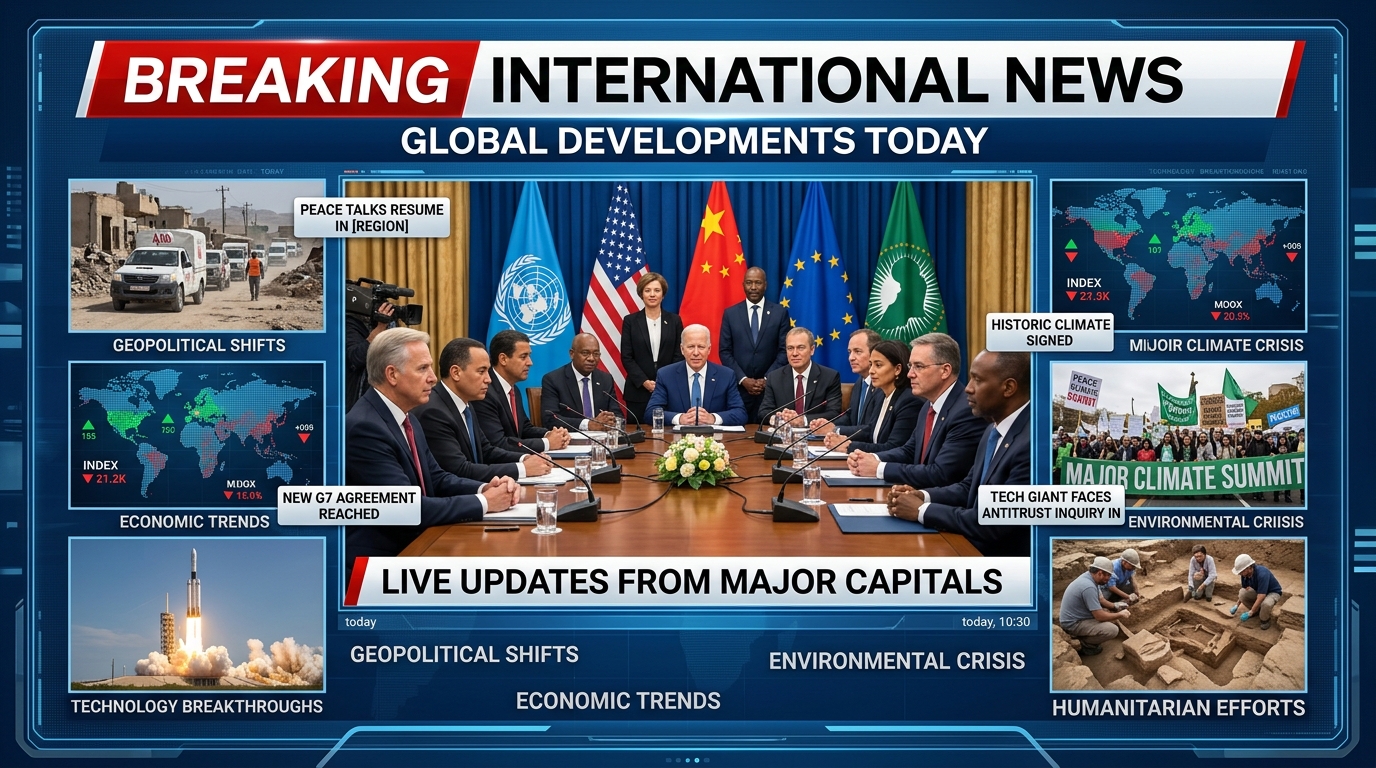
The ongoing conflict involving Iran, the United States, and regional allies continues to dominate global headlines, with major disruptions to oil shipping routes and rising geopolitical tensions affecting worldwide markets.
Strait of Hormuz oil disruption crisis
A significant portion of global oil trade is being affected after tensions in the Strait of Hormuz intensified, leading to shipping restrictions and military responses that have disrupted energy flows and pushed global oil prices higher, creating inflationary pressure across multiple economies.
Rising global fuel and inflation pressure
Energy shortages and higher fuel costs are driving inflation in both developed and developing countries. The United Nations warns that global growth could fall to around 2.5%, with severe impacts on food security and transportation costs worldwide.
Diplomatic negotiations and ceasefire talks
Behind closed doors, international mediators are pushing for renewed ceasefire negotiations between involved regional powers. Talks focus on reopening key trade routes and reducing military escalation risks that threaten broader regional stability.
Military positioning in Gulf region
Increased naval deployments and air defense systems across Gulf states reflect rising security concerns. Governments are reinforcing strategic installations due to continued cross-border strikes and missile activity affecting civilian and economic infrastructure.
Global market instability response
Financial markets are reacting with volatility as investors shift toward safe-haven assets like gold and government bonds. Central banks are monitoring inflation risks closely as energy-driven uncertainty spreads across global economies.
United States political and foreign policy updates
The United States remains deeply involved in multiple global diplomatic and security issues, while also managing domestic economic pressures and legislative priorities.
Congressional focus on budget and security
U.S. lawmakers are debating defense spending increases alongside domestic budget negotiations. Political divisions are slowing progress on key fiscal packages while national security concerns remain a priority in legislative discussions.
White House diplomatic engagements
The administration is actively engaging in international diplomacy aimed at de-escalating Middle East tensions while also maintaining strategic alliances in Europe and the Asia-Pacific region.
Economic outlook and inflation concerns
Rising global oil prices are impacting U.S. inflation expectations, with analysts warning of potential effects on consumer spending and energy markets if geopolitical instability continues.
Federal policy and regulatory adjustments
New policy discussions are underway regarding energy independence, infrastructure resilience, and trade protection measures to reduce vulnerability to global supply chain disruptions.
U.S. international military coordination
The U.S. continues coordinated operations with allied forces in key regions, focusing on maritime security, counter-terrorism efforts, and protection of global shipping lanes.
Europe geopolitical and economic developments
European governments are balancing economic stability with security challenges while adapting to global energy and trade disruptions.
European Union energy security strategy
The EU is accelerating efforts to diversify energy imports and expand renewable investments in response to instability in global oil and gas markets.
NATO defense coordination
NATO members are increasing joint military readiness and intelligence sharing to address rising regional security threats linked to ongoing global conflicts.
Economic slowdown concerns
European economies are facing slower growth forecasts due to higher energy costs and weakened consumer confidence across major markets.
Migration and border policy updates
Several European nations are reviewing migration policies amid political pressure and shifting demographic patterns influenced by regional instability.
Political shifts and elections outlook
Rising political fragmentation and voter dissatisfaction are shaping upcoming elections across multiple European countries, influencing policy debates.
Asia-Pacific regional developments
Asia-Pacific nations are focusing on economic resilience, diplomatic balancing, and internal governance reforms amid global uncertainty.
China economic and strategic policy
China continues to expand its global trade influence while investing heavily in renewable energy and advanced manufacturing sectors.
India infrastructure and growth agenda
India is prioritizing digital expansion, infrastructure modernization, and foreign investment to maintain strong economic growth momentum.
Japan technological and security planning
Japan is strengthening defense capabilities and technological innovation strategies to address regional security concerns and demographic challenges.
Australia diplomatic engagement
Australia is enhancing regional partnerships in trade, security cooperation, and climate policy initiatives across the Indo-Pacific region.
South Korea economic competitiveness
South Korea is focusing on semiconductor exports, digital transformation, and global trade partnerships to maintain economic competitiveness.
Africa political and security updates
African nations are experiencing mixed developments involving elections, economic reforms, and security challenges in multiple regions.
Electoral reforms and democracy growth
Several countries are implementing electoral reforms aimed at improving transparency and strengthening democratic institutions.
Sahel security concerns
Security operations in the Sahel region continue due to ongoing insurgent activity and humanitarian crises affecting local populations.
Economic diversification efforts
Governments are working to reduce reliance on natural resources by expanding manufacturing and service sectors.
Climate adaptation initiatives
African nations are increasing investment in climate resilience projects to address droughts, flooding, and agricultural challenges.
Regional cooperation efforts
Regional organizations are strengthening collaboration on trade, infrastructure, and peacekeeping missions.
Global economy and international coordination
International institutions are responding to economic instability and geopolitical risks through coordinated policy actions.
IMF and global growth outlook
The International Monetary Fund has warned of slower global growth due to energy disruptions and geopolitical tensions impacting trade and investment.
World Bank development programs
Development funding is being redirected toward climate resilience, infrastructure modernization, and poverty reduction programs in vulnerable economies.
Trade system disruptions
Global trade routes are experiencing delays and increased costs due to geopolitical instability and shifting supply chains.
Digital governance expansion
Governments are adopting digital systems for taxation, public services, and cybersecurity regulation to improve efficiency and transparency.
Financial stability measures
Central banks and regulators are coordinating efforts to stabilize markets and manage inflation risks linked to energy shocks.
United Nations and global diplomacy updates
International organizations are actively involved in managing global crises and supporting humanitarian and diplomatic solutions.
UN economic warnings
The United Nations has revised global economic forecasts downward, citing escalating geopolitical tensions and energy market instability.
Humanitarian response coordination
UN agencies are increasing emergency aid delivery to regions affected by conflict, displacement, and food insecurity.
Peacekeeping mission adjustments
Peacekeeping forces are being reassigned in several regions to address rising instability and protect civilian populations.
Climate diplomacy initiatives
Global climate negotiations continue despite geopolitical tensions, focusing on emissions reduction and funding for developing nations.
International conflict mediation
Diplomatic efforts are ongoing to mediate conflicts in multiple regions, with emphasis on ceasefire agreements and long-term stability frameworks.
FAQs
What is the biggest global news today?
The major focus is on Middle East tensions and their impact on global oil supplies and inflation.
Why are global oil prices increasing?
Oil prices are rising due to disruptions in key shipping routes like the Strait of Hormuz.
How is the world economy affected right now?
Global growth is slowing as inflation rises due to energy shortages and geopolitical instability.
What role is the UN playing in current crises?
The UN is providing economic forecasts, humanitarian aid coordination, and diplomatic mediation efforts.
Which regions are most affected by global instability?
The Middle East, Europe, and parts of Africa are experiencing the strongest economic and security impacts.
Conclusion
Global developments today are heavily influenced by geopolitical tensions, energy disruptions, and shifting alliances across major regions. Governments and international institutions are working to stabilize economies and manage conflicts. However, inflation pressures, security challenges, and diplomatic uncertainty continue to shape an increasingly complex and interconnected global landscape affecting nearly every nation worldwide.
