


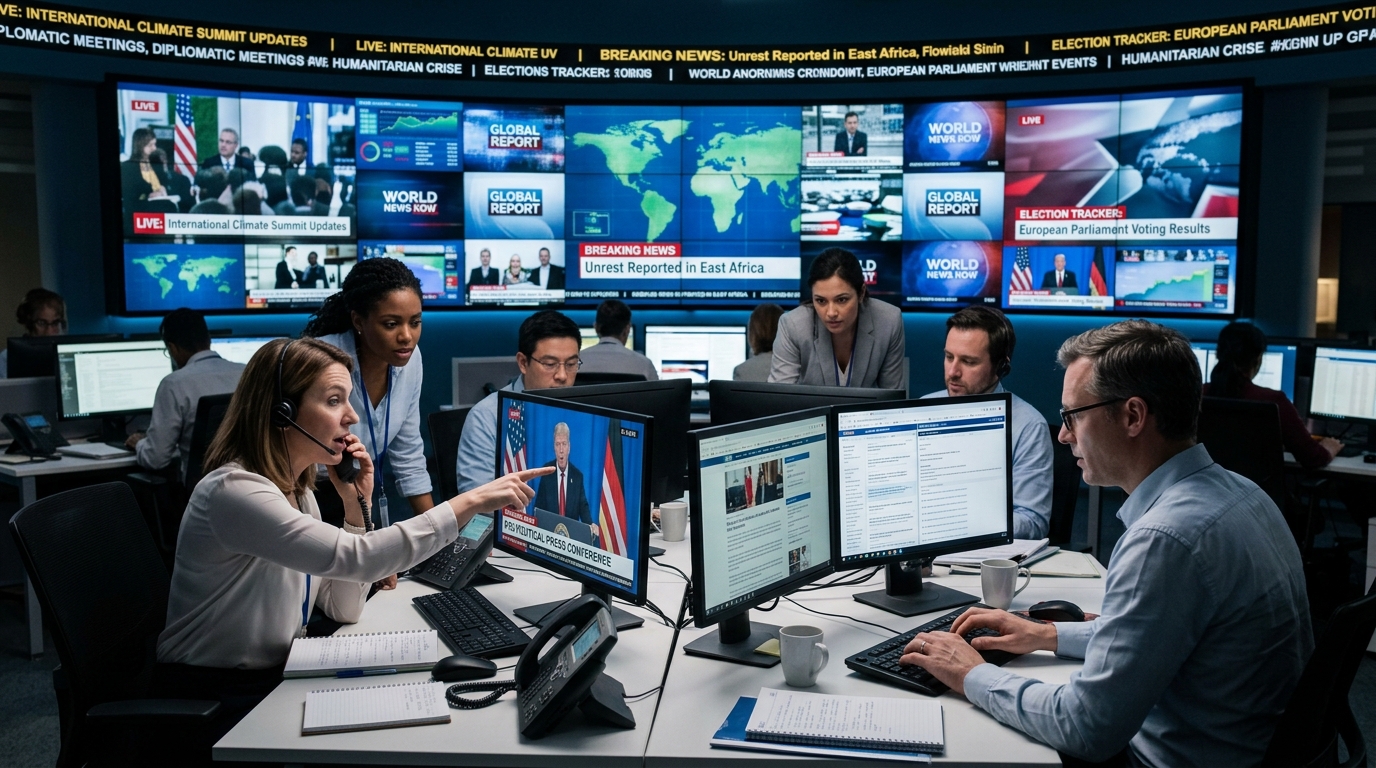
World affairs, politics, and global crises are deeply interconnected and constantly shaping the modern world. From international conflicts and economic shifts to climate emergencies and technological disruption, these developments influence governments, businesses, and everyday life. Comprehensive coverage helps people understand not just what is happening, but why it is happening and how it impacts global stability.
Global Political Landscape Overview
Major World Power Dynamics
Global politics is largely influenced by major powers that shape international decisions through diplomacy, trade, and military strength. Their policies affect smaller nations and global stability.
Role of Democratic Systems
Democratic countries rely on elections and institutions to maintain governance, ensuring public participation in decision-making and accountability of leaders.
Authoritarian Governance Models
Some nations operate under centralized control, where political decisions are made by limited leadership, affecting civil liberties and political expression.
International Political Competition
Countries often compete for influence through economic partnerships, technological leadership, and military alliances in global affairs.
Political Ideology Influence
Ideologies such as liberalism, nationalism, and socialism shape government policies and global diplomatic relationships.
International Conflicts and Security Issues
Ongoing Regional Conflicts
Regional conflicts continue to affect global peace, disrupting economies, displacing populations, and creating humanitarian crises.
Military Alliances and Tensions
Defense alliances and rivalries between nations play a key role in maintaining or challenging global security balances.
Terrorism and Security Threats
Global security agencies work to counter terrorism and extremist groups that threaten stability in various regions.
Cybersecurity Warfare
Cyberattacks on governments, businesses, and infrastructure have become a modern form of conflict between nations.
Peacekeeping Missions
International organizations deploy peacekeeping forces to stabilize conflict zones and protect civilians in crisis areas.
Economic Crises and Global Markets
Inflation and Recession Impacts
Global inflation and economic downturns affect employment, purchasing power, and international trade systems.
Energy Market Instability
Fluctuations in oil, gas, and renewable energy markets influence global prices and geopolitical relationships.
Supply Chain Disruptions
Global supply chains face disruptions due to conflicts, pandemics, and transportation challenges, affecting product availability worldwide.
Trade Wars and Tariffs
Economic disputes between countries often lead to tariffs and trade restrictions that impact global markets.
Financial System Stability
International financial institutions monitor economic stability to prevent global financial crises and maintain market confidence.
Climate Change and Environmental Crises
Rising Global Temperatures
Climate change is leading to rising temperatures, affecting ecosystems, agriculture, and human health worldwide.
Natural Disasters Increase
Floods, wildfires, and hurricanes are becoming more frequent and severe due to environmental changes.
Global Climate Agreements
Countries collaborate through agreements to reduce emissions and combat environmental damage collectively.
Renewable Energy Transition
Nations are shifting toward solar, wind, and clean energy sources to reduce dependency on fossil fuels.
Environmental Policy Enforcement
Governments are implementing stricter environmental laws to protect natural resources and biodiversity.
Humanitarian Crises and Migration
Refugee Displacement Issues
Conflicts and disasters force millions of people to leave their homes, creating global refugee crises.
Food Security Challenges
Climate change and supply disruptions affect agricultural production and global food distribution.
Health Emergencies Worldwide
Disease outbreaks and pandemics continue to challenge global healthcare systems and coordination efforts.
Poverty and Inequality
Economic inequality remains a major global issue affecting access to education, healthcare, and opportunities.
International Aid Programs
Countries and organizations provide humanitarian aid to support crisis-affected populations worldwide.
Technology and Global Transformation
Artificial Intelligence Impact
AI is reshaping economies, security systems, and governance structures across the world.
Digital Surveillance Concerns
Governments use surveillance technologies for security, raising concerns about privacy and civil rights.
Cybersecurity Threat Growth
Cyber threats continue to increase, targeting critical infrastructure and global communication systems.
Social Media Influence
Platforms like X and Facebook shape political discourse and global awareness.
Space and Defense Technology
Advancements in space exploration and defense systems are influencing geopolitical competition.
Role of International Organizations
United Nations Functions
The United Nations coordinates global peacekeeping, humanitarian aid, and international cooperation efforts.
World Health Coordination
Global health organizations manage disease control, vaccination programs, and health emergency responses.
Financial Institutions Support
Institutions like the IMF and World Bank provide financial stability and development assistance.
Trade Regulation Bodies
Organizations regulate international trade rules to ensure fair and stable economic relations.
Human Rights Advocacy Groups
Global organizations monitor and promote human rights protection across different regions.
Media and Global Awareness
News Reporting Networks
Global media organizations like BBC provide continuous coverage of world affairs and crises.
Digital Journalism Growth
Online journalism allows faster reporting and wider global access to breaking news.
Misinformation Challenges
False information spreads rapidly online, making reliable reporting more important than ever.
Citizen Journalism Rise
Individuals now contribute to news coverage using smartphones and social media platforms.
Analytical Reporting Importance
In-depth analysis helps audiences understand the causes and consequences of global events.
Future of Global Affairs
Multipolar World Systems
Global power is shifting toward multiple influential nations rather than a single dominant power.
AI-Driven Governance
Artificial intelligence will increasingly assist governments in policy analysis and decision-making.
Climate-Driven Policies
Environmental concerns will play a central role in shaping future international relations.
Digital Diplomacy Expansion
Countries will use digital platforms for diplomacy and international communication.
Greater Global Cooperation
International collaboration will be essential to address shared challenges like pandemics and climate change.
Conclusion
Comprehensive coverage of world affairs, politics, and crises is essential for understanding today’s interconnected global system. These issues influence economies, security, and human life across borders. Clear and informed reporting helps people interpret complex events, encouraging awareness, cooperation, and better decision-making in an increasingly complex and rapidly changing world.
