


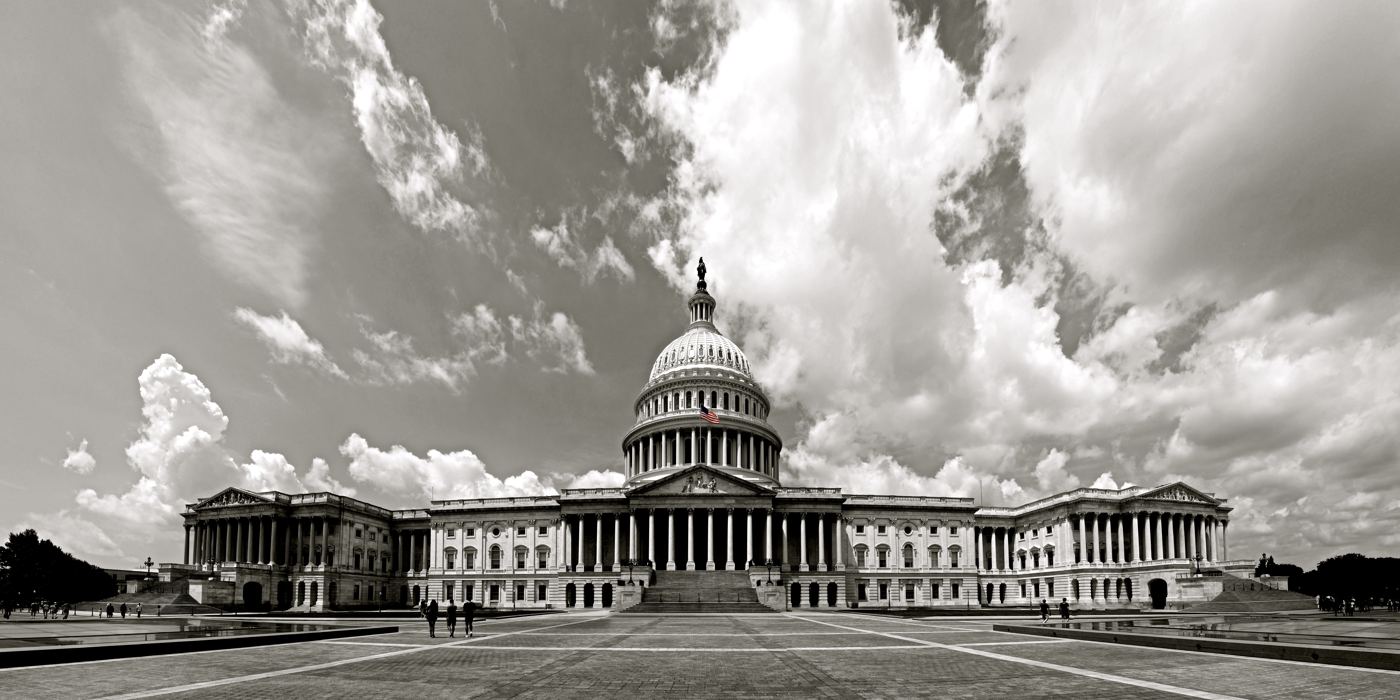
America’s flagship crypto market-structure bill is running out of time after the Senate adjourned until November 30 with no new vote scheduled on the CLARITY Act. The Digital Asset Market Clarity Act, which would split oversight of crypto markets between the Commodity Futures Trading Commission and the Securities and Exchange Commission, passed the House in July 2025 but failed a Senate cloture vote 49-50 on September 15, eleven votes short of the 60 needed to begin debate. All 49 yes votes came from Republicans, while every Democrat who voted said no, along with four Republicans. A motion to reconsider keeps the bill technically alive on the Senate calendar, but House Financial Services Chair French Hill and Senator Bernie Moreno both said in November that the bill had missed its window.
What the Evidence Shows
If the bill is not enacted before the new Congress begins on January 3, 2027, it expires and must be introduced again from scratch. The November 3 midterm elections handed Democrats control of both chambers, and critics of the bill such as Elizabeth Warren and Maxine Waters are expected to chair the key committees. The main sticking points were ethics rules on officials’ crypto holdings and limits on stablecoin yield. Until Congress acts, the SEC and the CFTC are setting the rules with the powers they already have, while the GENIUS Act covers stablecoins. Reporting and analysis from sources such as CoinDesk track the same developments, and specialists following the stalled CLARITY Act say the direction is now consistent across independent lines of evidence.
The Wider Context
Market structure around the stalled CLARITY Act has matured in measurable ways: deeper liquidity, professional custody and surveillance-sharing agreements that exchanges once resisted. None of that removes volatility, and regulators repeat that message in every publication. What it changes is the kind of failure investors face, from disappearing venues toward ordinary, legible market risk.
What Happens Next
The outlook for the stalled CLARITY Act is best stated in scenarios rather than predictions, because this market still moves on sentiment as much as on fundamentals. The structural trends, institutional participation, regulated products and better consumer protection, point one way; the price charts will continue to point in several directions at once. Separating those two statements is the beginning of competence here. You can follow related developments in our coverage of crypto.
It is also worth remembering how quickly the picture in this area has changed before. Positions that looked settled a few years ago have been revised as new data arrived, and the same humility is appropriate now. The strongest coverage of this subject, and the most useful advice, tends to come from sources that update their views openly when the facts move, rather than defending an earlier position long after it has stopped fitting the evidence available.
