


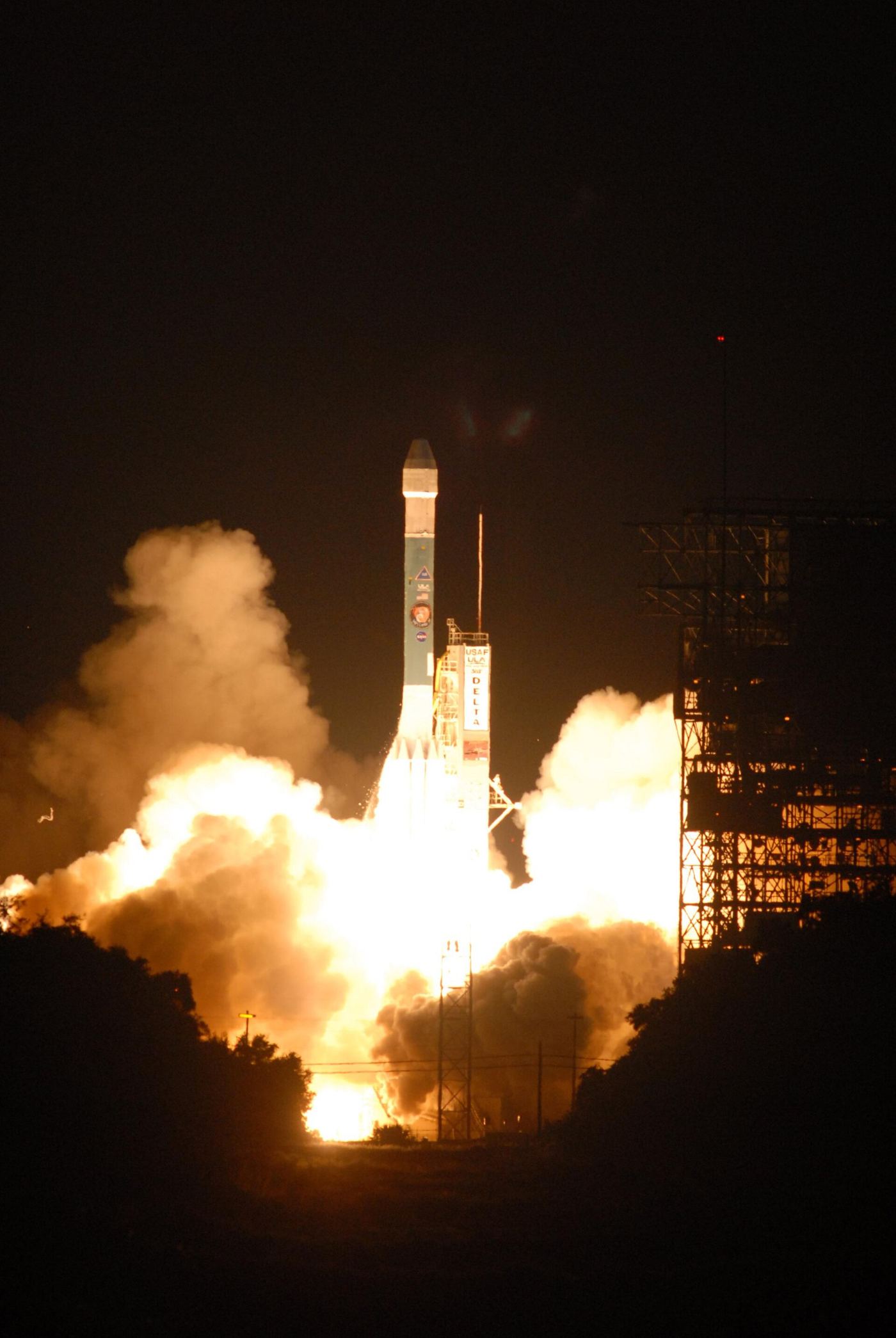
Pakistani astronaut Muhammad Zeeshan Ali became the first foreign astronaut to board China’s Tiangong space station on Wednesday, after the Shenzhou-24 spacecraft docked about three and a half hours after launch. The Long March-2F rocket lifted off at 8:18 a.m. local time from the Jiuquan Satellite Launch Centre in northwest China. Ali, a 40-year-old Pakistan Air Force pilot, is serving as a payload specialist and is expected to stay at the station for five to ten days, conducting scientific experiments. He is also the first Pakistani to travel into orbit. The crew was greeted with hugs by the three Shenzhou-23 members already aboard, who had prepared a cake to celebrate.
What the Evidence Shows
Ali flew alongside Chinese commander Tang Hongbo and flight engineer Wu Yi, and will return to Earth aboard the Shenzhou-23 spacecraft with two of the station’s current crew. The mission carries four biotechnology experiments developed by universities in Pakistan, according to Pakistan’s space agency. Prime Minister Shehbaz Sharif congratulated the nation, saying Pakistan had begun its journey beyond the stars. Ali said the real challenge of training was mastering the Chinese language, rather than centrifuge training. China’s space station, named Tiangong, meaning heavenly palace, has been fully operational since late 2022. The flight marks 75 years of diplomatic relations between China and Pakistan, and a milestone in Beijing’s efforts to extend its space diplomacy to partner nations. Reporting and analysis from sources such as Reuters track the same developments, and specialists following the first foreign astronaut aboard Tiangong say the direction is now consistent across independent lines of evidence.
The Wider Context
The wider context is a public conversation conducted at a speed institutions were not built for. Developments around the first foreign astronaut aboard Tiangong are announced, contested and revised within a single news cycle, and the officials involved have learned to publish evidence alongside claims so that scrutiny can actually occur. Trust, the polling suggests, follows that transparency more than it follows confidence.
What Happens Next
What happens next in the story of the first foreign astronaut aboard Tiangong will be decided in the places where it is being implemented, measured and argued about in public. The officials and organisations involved have committed to publishing progress data, and that commitment gives residents, businesses and journalists something firmer than promises to judge. The next milestones are dated, which means they can be checked. You can follow related developments in our coverage of news.
There is a practical lesson in all of this for readers deciding what to do today. Start with the verified facts, be wary of anyone promising certainty, and prefer reversible steps while the evidence is still developing. Circumstances differ by country, income and personal situation, so general guidance should always be weighed against your own context before you act on it in any significant or lasting way.
